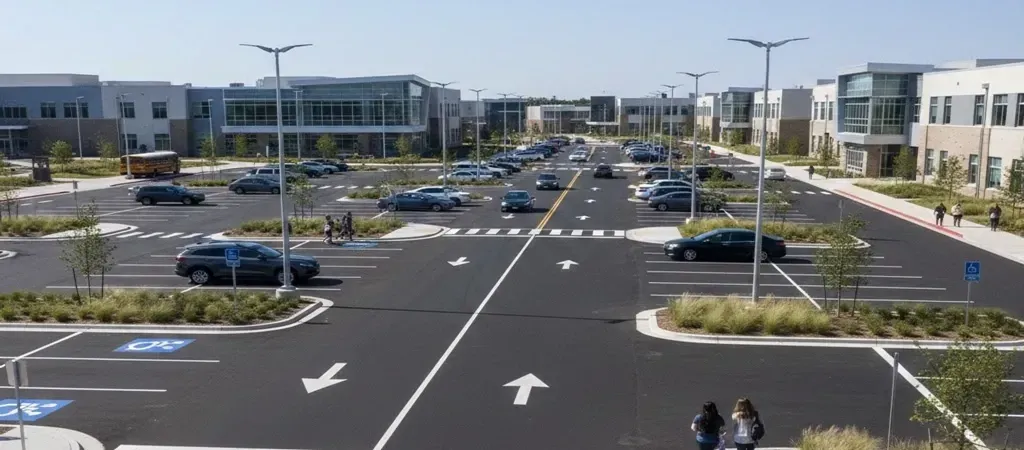
Essential Strategies for Constructing Durable ISD Parking Lots in Dallas
Construction Insight:
Durable ISD parking lots in Dallas require proper soil stabilization, high-strength concrete mixes, strategic reinforcement, effective drainage, and climate-aware finishing techniques. When these elements are planned and executed correctly, they prevent premature failure and ensure long-term performance under heavy traffic and challenging Texas conditions.
How do you build a parking lot in North Texas that doesn’t crumble faster than a cookie in a kindergarten classroom? And what does it take to keep it that way?
Building a long-lasting ISD parking lot in Dallas is not simply a matter of pouring concrete and painting stripes. The challenge is clear. Dallas soil is unforgiving, the climate is unpredictable, and ISD parking lots face far heavier loads than most commercial spaces. Yet, with
ISD parking lot installation services in Dallas
that follow the right construction methods, a district can avoid the costly cycle of patching cracks, fixing drainage issues, and resurfacing prematurely. The most durable ISD parking lots across Dallas share the same principles, and these principles should guide every project moving forward.
Prioritizing Soil Preparation Before Any Concrete Is Poured
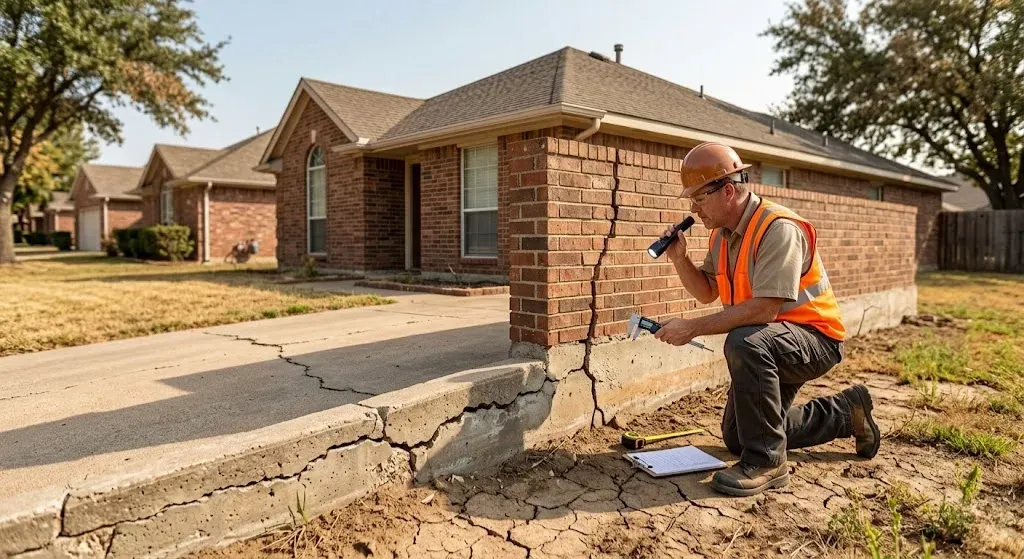
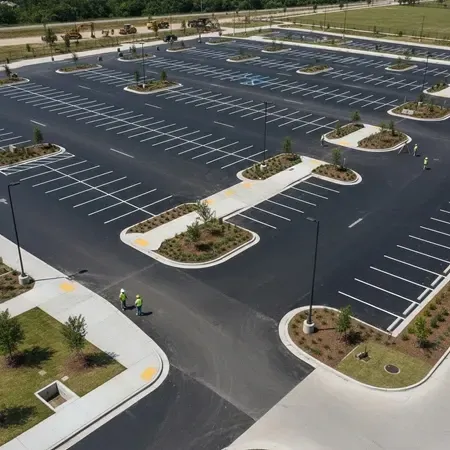
The durability of any parking lot is decided before the first concrete truck arrives. North Texas soils expand and contract aggressively due to clay composition and moisture variance.
According to our parking lot installer, when contractors treat the ground like stable Northern or Western soil, the concrete fails quickly. Parking lots that last are built by first correcting what lies underneath.
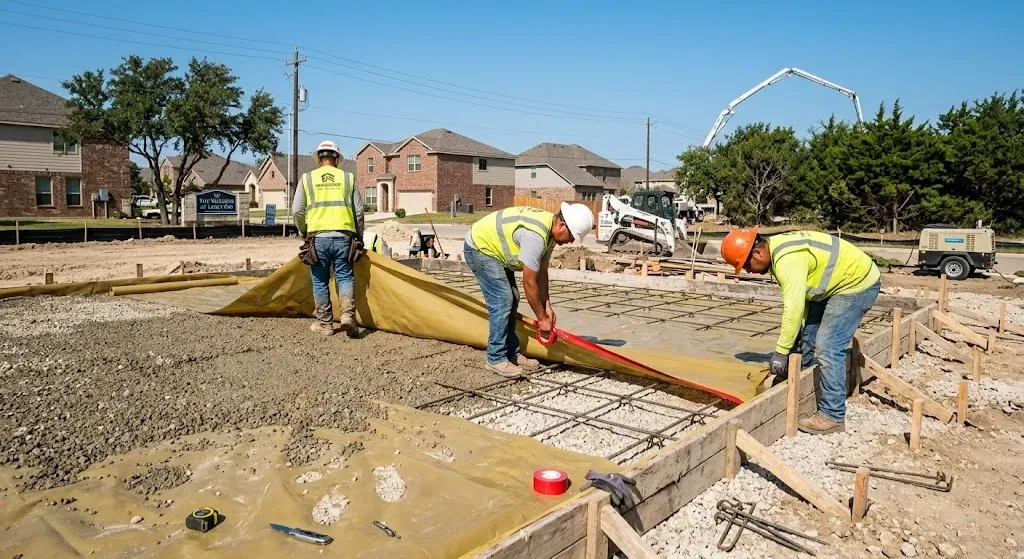
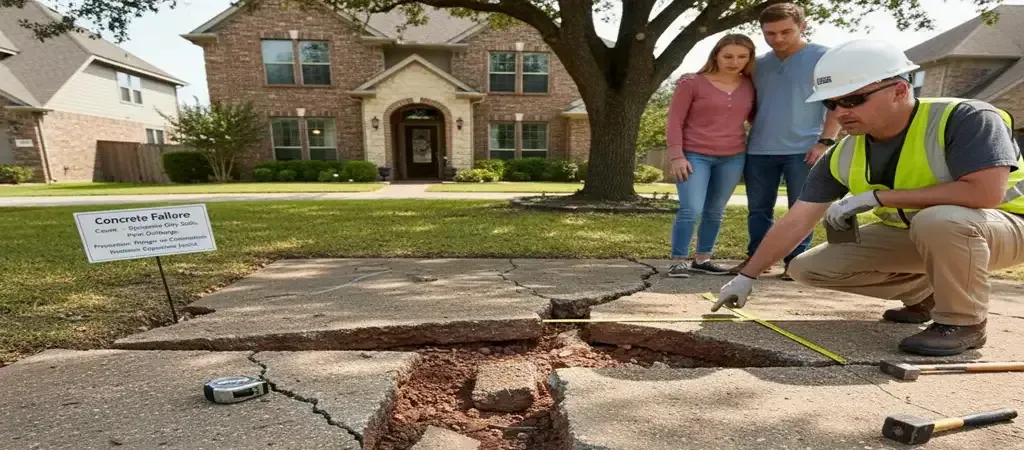
A durable ISD parking lot begins with removing weak or organic soil, compacting multiple layers, and stabilizing the subgrade so it resists seasonal movement. Many districts underestimate how important this step is. Cutting corners here always results in cracks, shifting slabs, or low spots that collect water after storms. Proper subgrade stabilization, including lime or cement treatment when needed, is what separates school properties that stay smooth for years from those that deteriorate almost immediately.
Choosing the Right PSI Mix for Texas Traffic Demands
Dallas ISD-level parking lots cannot rely on basic residential concrete mixes. Heavy buses, delivery vehicles, maintenance trucks, and parent traffic require a mix designed for load-bearing strength from day one. A higher-PSI concrete mix is not optional; it is expected.
The most durable school parking lots in the Dallas area consistently use concrete in the 4,000–5,000 PSI range. This strength helps the lot resist tire rutting, edge crumbling, and mid-slab stress. Lower PSI mixes may appear adequate at first but show wear far sooner. Choosing a stronger mix is one of the most cost-effective strategies a district can make because stronger concrete dramatically extends service life without significantly increasing project cost.
Strength, durability, and appearance all depend on how the mix is prepared. Review Dallas concrete mix tips to understand what really matters.
Reinforcement That Matches Real-World Loads
Reinforcement is another area where long-lasting ISD parking lots differ from average commercial projects. Because schools rely heavily on bus traffic, reinforcement must be designed for extreme weight cycles. Parking lots built with minimal reinforcement, thin rebar spacing, or insufficient control joints inevitably develop structural cracks.
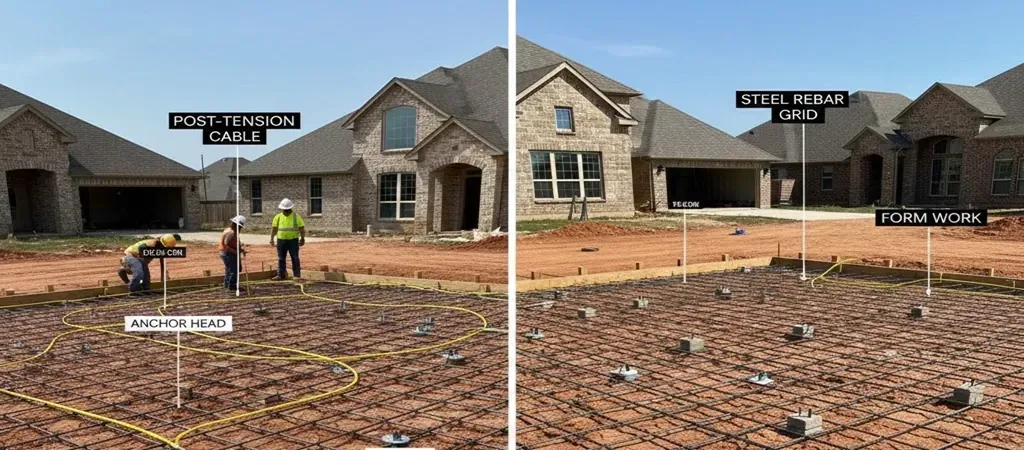
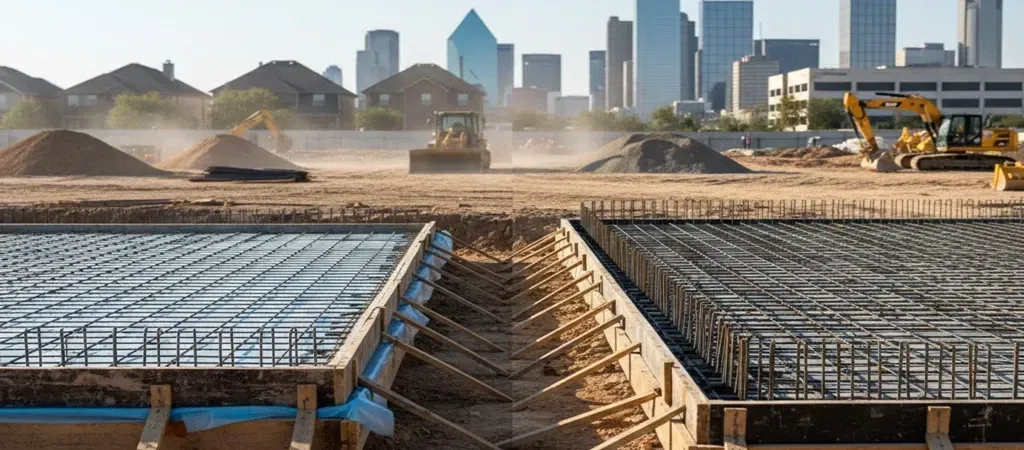
Contractors who build parking lots that endure decades treat reinforcement as non-negotiable. Rebar grids with proper spacing, doweled joints, and attention to the project’s traffic flow ensure the slab can flex and distribute loads without breaking. A well-reinforced slab resists not only weight but also the internal stress caused by heat, cold, and soil movement.
Drainage Planning Is a Structural Requirement, Not an Accessory
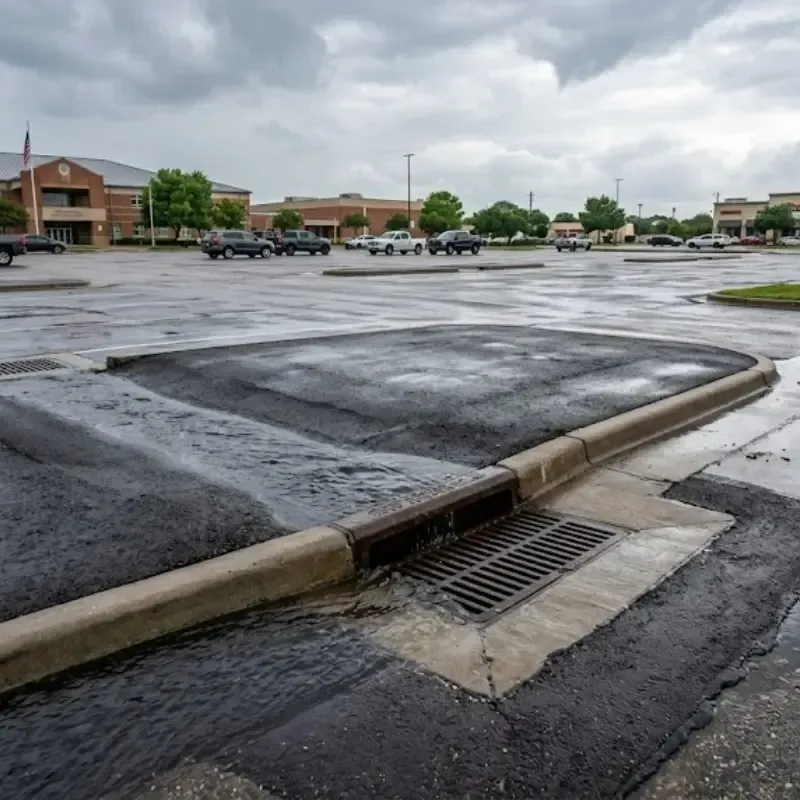
In Dallas, drainage problems are one of the fastest ways a parking lot begins to degrade. Poor drainage creates standing water, which weakens the surface, penetrates cracks, and destabilizes the base.
ISD properties see this often: puddles after storms, water flowing toward entrances, or runoff that erodes the edges of the lot.
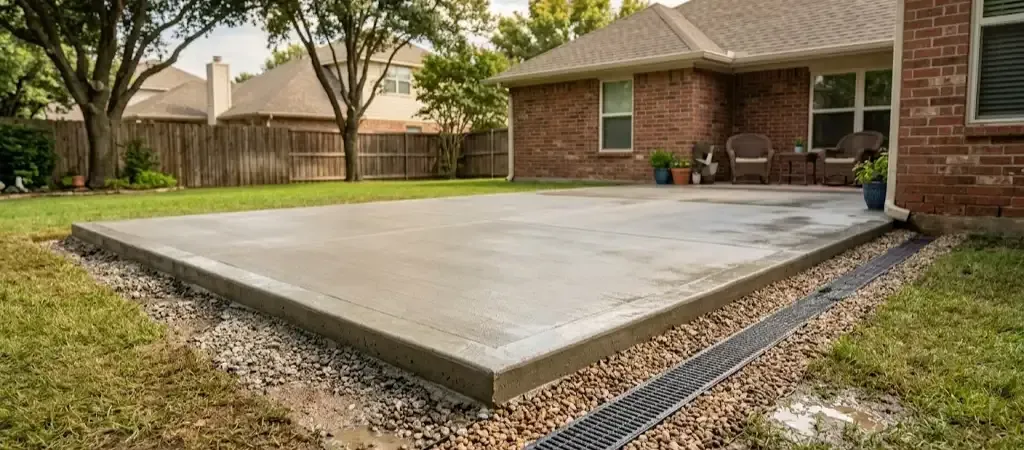
Long-lasting parking lots are engineered with drainage as a primary design element. Slopes, curbs, inlets, and grading must work together so that water moves exactly where it is supposed to go. When drainage is done correctly, the lot stays structurally sound, dries quickly, and requires far fewer repairs over its lifespan. In other words, drainage is not a cosmetic preference. It is a structural safeguard.
Finishing Techniques Designed for Dallas Weather
A parking lot meant to last in Dallas must survive the full spectrum of Texas weather. High heat can weaken improperly finished surfaces, while freeze-thaw cycles widen small cracks into major failures. Contractors with technical mastery apply finishing techniques that protect the surface instead of simply making it look smooth.
A durable finish includes proper curing, slip-resistant texturing, and protection against premature surface wear. Finishing done in a rush results in scaling, flaking, or weakened top layers that fail long before the slab underneath does. ISD facilities benefit greatly when contractors choose quality over speed during this phase because the surface strength plays a large role in long-term performance.
Traffic Planning That Reduces Stress on the Slab
Durability is not only about the materials and construction methods. Traffic flow plays a major role in how a parking lot ages. High-stress areas such as bus lanes, parent pickup sections, entry points, and turning areas require more robust design than low-traffic sections.
Strong parking lot layouts clearly define heavy-load zones and reinforce them with thicker slab sections, tighter rebar spacing, or upgraded mixes. When high-stress areas are not reinforced properly, they become the first to crack. A well-planned lot distributes traffic evenly, guiding vehicles along pathways designed to withstand repeated weight.
A Maintenance Mindset Supports Long-Term Durability
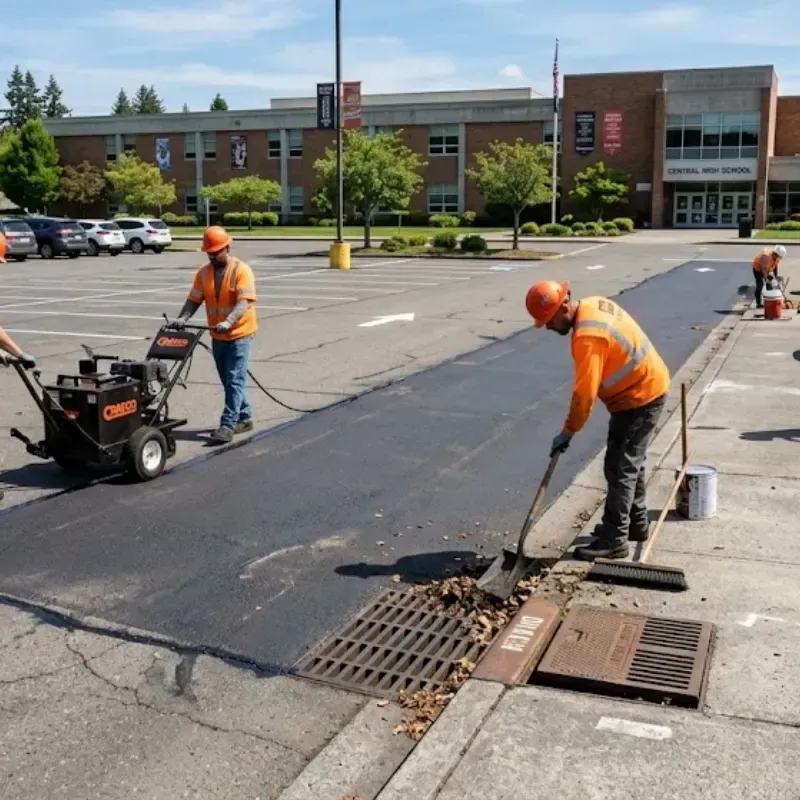
Even the best-built parking lots need routine care. ISDs that extend the lifespan of their lots focus on simple but essential maintenance practices. Sealing cracks early, clearing debris from drains, and monitoring high-traffic zones keeps problems from spreading.
Parking lots that fail prematurely typically suffer from years of unnoticed or untreated wear.
The most durable school lots are built with future maintenance in mind. Proper joint spacing, visible markings, and efficient drainage make maintenance easier, faster, and more affordable.
Cracks, settling, and surface wear each point to different solutions. Review when to repair or replace concrete to choose the right path forward.
Building a Parking Lot That Lasts Decades Instead of Years
Durable ISD parking lots in Dallas are built by following proven strategies instead of shortcuts. These construction methods have been refined over decades of working with Texas soil, Texas weather, and Texas traffic conditions.
The goal is longevity, safety, and reliability. In a region where weather and soil challenge every structure, durability is not achieved by chance. It is created by consistent, knowledgeable decisions at every stage of construction.