Key Considerations for Designing Safe ISD Parking Lots
Safety Snapshot:
Safe ISD parking lot design depends on prioritizing pedestrian protection, clear traffic flow, durable pavement, proper lighting, and effective drainage to reduce accidents and long-term costs. When these elements are integrated into the layout, schools create safer, more efficient environments for students, staff, and visitors.
A well-designed ISD parking lot installed by ISD parking lot construction services in Dallas protects students, staff, and visitors while reducing liability for the district. Poorly planned layouts, on the other hand, lead to traffic congestion, unsafe pedestrian movements, vehicle conflicts, and premature pavement failure that drains district budgets. When schools expand, renovate, or rebuild, the parking lot deserves the same level of engineering attention as the buildings themselves.
Pedestrian Protection Must Drive the Entire Layout
Students rarely follow the routes designers hope they will. They take the shortest path, often between rows of cars or through active drive lanes. Our ISD parking lot experts note that a layout that assumes ideal behavior is a layout destined for risk.
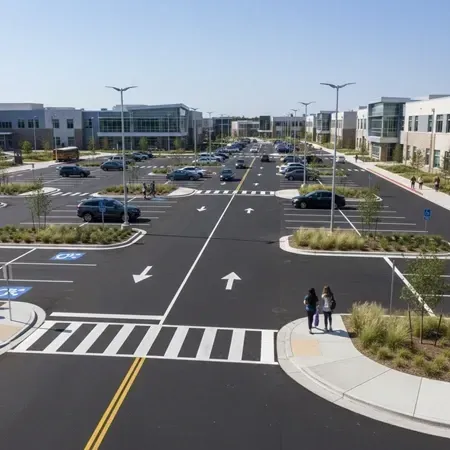
Crosswalks should be positioned where students already tend to walk, not where it is most convenient for striping crews. Raised crosswalks add visibility and help slow drivers at key points.
Sidewalks must connect directly to building entrances with no gaps. Wide pickup and drop-off zones keep students from weaving between cars, and bollards or curbs provide physical separation where risks are highest.
Designers who work on school campuses regularly recognize that pedestrian safety cannot be solved with a single feature. It is the result of a connected network of walkways, visual cues, and controlled conflict points.
If you want to see how large-scale asphalt projects are engineered for longevity, review durable ISD parking lots in Dallas to understand the essential strategies behind long-term performance.
Traffic Flow Should Remove Guesswork for Drivers
Parking lot crashes rarely come from reckless driving. They come from uncertainty. When drivers hesitate, stop abruptly, or make unpredictable turns, collisions become inevitable. That is why traffic flow needs to be intentionally structured.
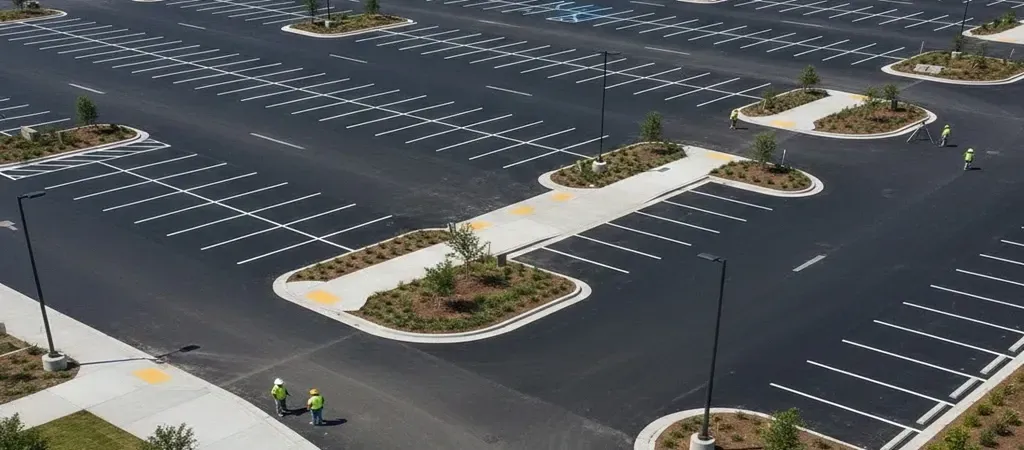
One-way lanes reduce the number of conflict points and make driver decisions simpler. Angled parking improves visibility when backing out. Large vehicle areas, such as bus loops, should be physically separated from parent traffic to prevent cross-traffic confusion.
Clear entry and exit points are crucial. A surprising number of school parking lots have multiple uncontrolled access points that create bottlenecks during peak hours. Defined routes, appropriate signage, and directional markings keep cars moving at safe, predictable speeds.
Experienced concrete and site designers understand that efficient traffic flow is not a luxury. It directly contributes to safety by calming driver behavior and preventing the last-minute decisions that lead to accidents.
For anyone navigating school campuses, traffic flow, or parking design, it also helps to understand the rules behind these spaces. Review private property rules for school parking lots for clearer legal context.
Durability Matters Because Safety Declines When Pavement Fails
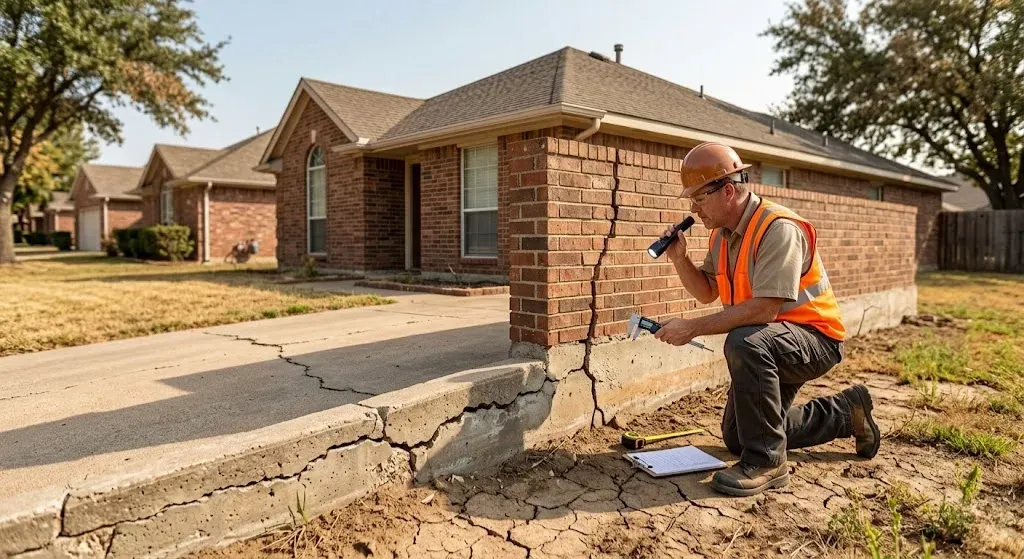
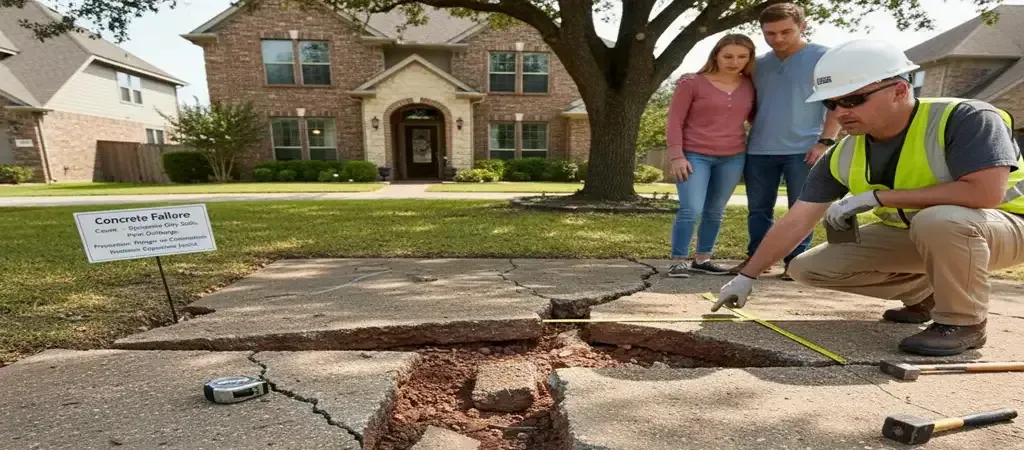
A parking lot that looks safe on opening day can become dangerous if the pavement deteriorates faster than expected. Cracks, potholes, and uneven slabs create tripping hazards and vehicle control issues, especially during rain. Schools located in Texas are no strangers to shifting soil, high heat, and heavy stormwater, all factors that test poor pavement installations.
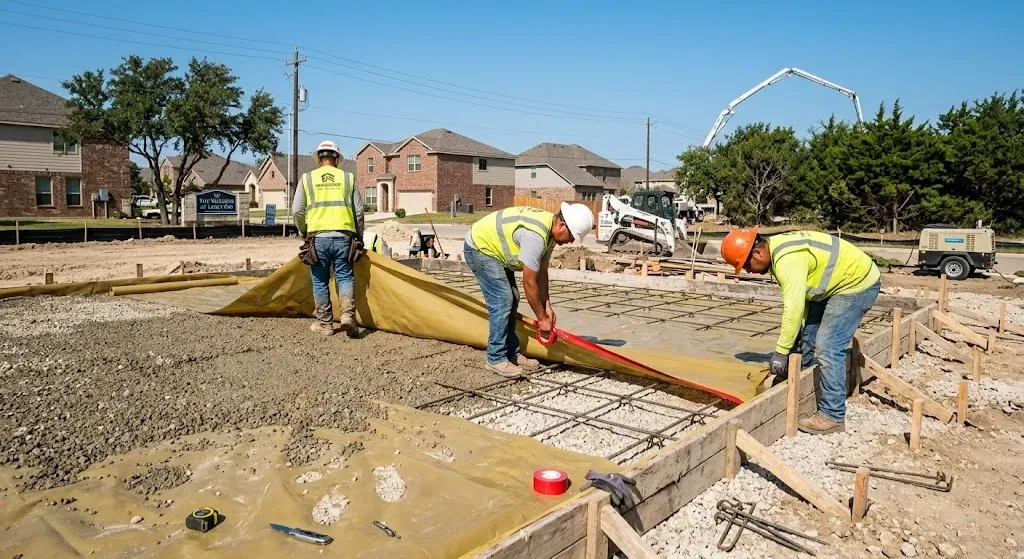
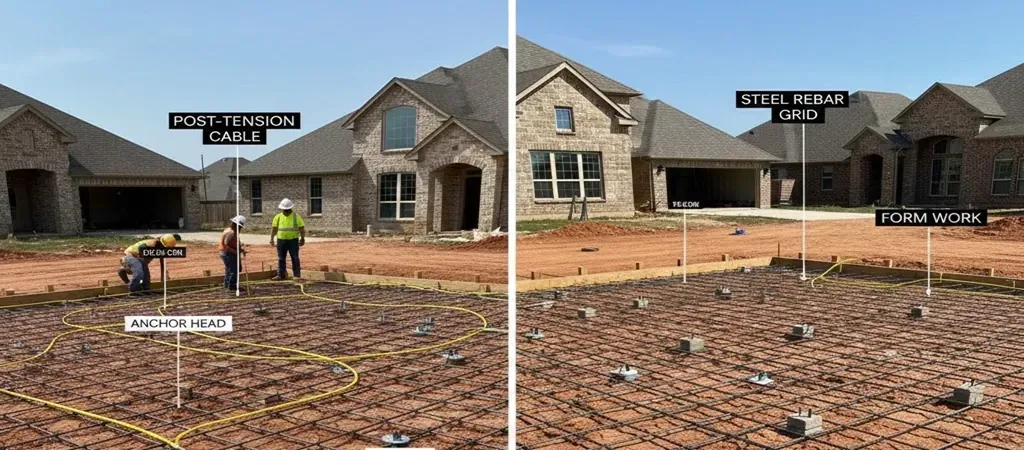
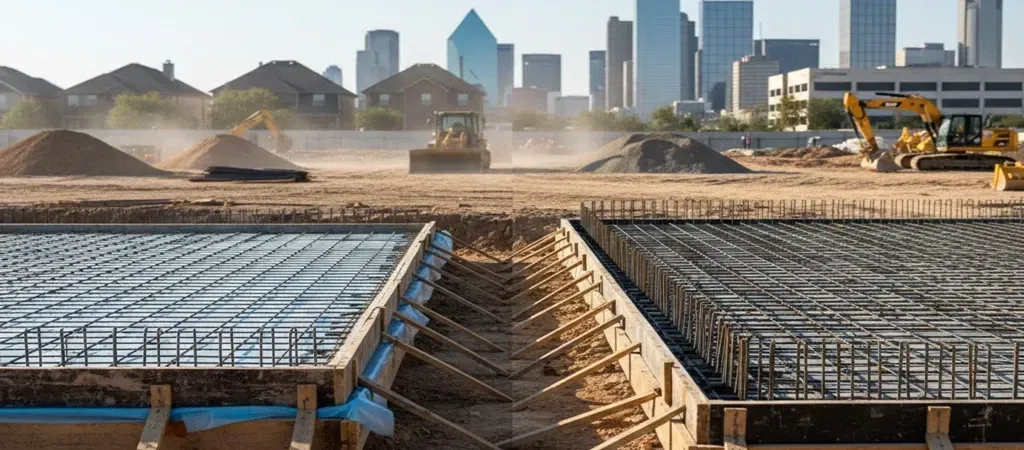
Long-lasting lots depend on proper subgrade preparation, reinforcement selection, and mix design. Ignoring soil conditions is one of the quickest ways to shorten pavement life. Clay-heavy regions require moisture conditioning or stabilization, while areas prone to swelling demand correctly engineered slabs that resist movement.
When durability is prioritized, districts waste less money on constant repairs and avoid the safety hazards that come with uneven pavement. A strong foundation, correct PSI concrete, proper drainage, and well-planned expansion joints are not optional features. They are essential components of long-term safety.
Lighting and Visibility Are Non-Negotiable Safety Features
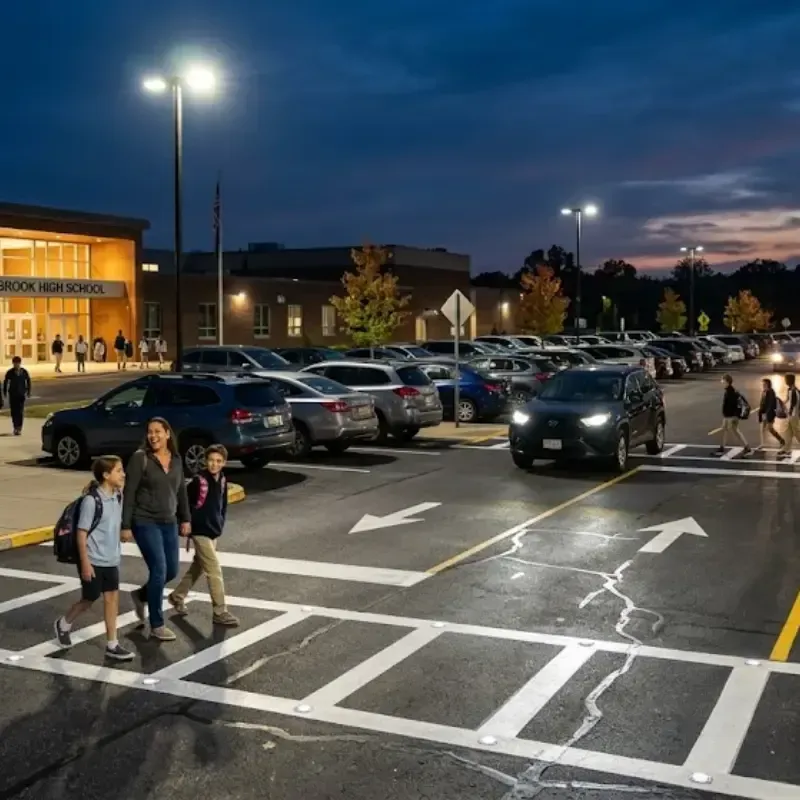
Many incidents in school parking lots happen during early morning athletics, evening events, and winter months when visibility is low. Lighting placement matters far more than the number of fixtures installed.
Shadows between parking rows or near pedestrian paths create blind spots. Bright lights near entry drives help drivers see students who may cross unexpectedly.
Directional signage must be reflective and placed at eye level. Fire lanes, accessible spaces, and pedestrian zones need clear visual separation. The entire design should assume that not every driver is paying full attention all the time. Good visibility functions as a passive safety system that supports both careful and distracted drivers.
Drainage and Water Management Directly Impact Safety
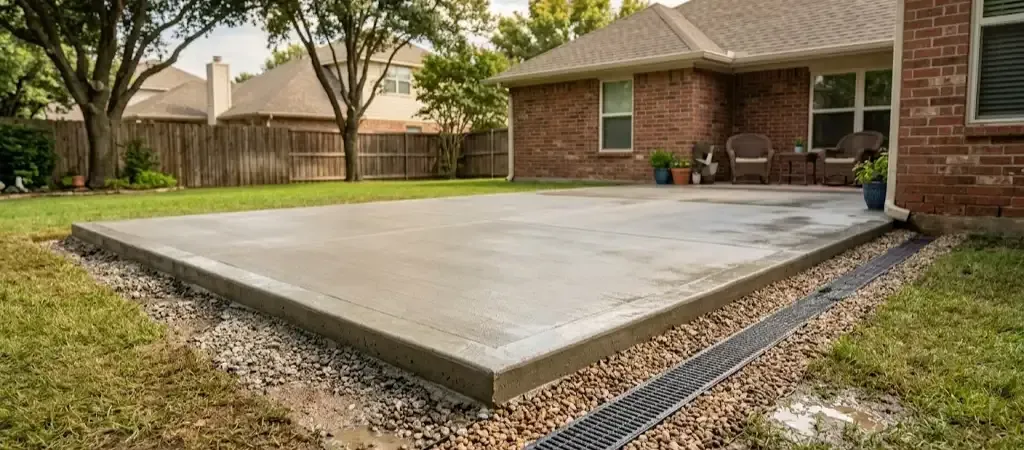
Standing water is more than an inconvenience. It hides pavement damage, reduces tire traction, and forces pedestrians to detour into unsafe areas. Poor drainage can also weaken the pavement structure over time, leading to premature failure.
Effective parking lot drainage requires intentional grading, strategically placed inlets, and predictable water movement. Flat, under-designed lots common in older ISD campuses often suffer from constant puddling. Correcting these issues usually involves regrading or reconstructing failing areas, costly repairs that could have been avoided with proper planning.
Designers who understand concrete behavior in varying weather conditions know that drainage design is inseparable from safety. A dry surface keeps pedestrians upright and vehicles in control.
Safety Also Depends on Managing Pickup and Drop-Off Chaos
Every ISD parking lot faces its highest stress during morning arrival and afternoon dismissal. These short windows produce intense congestion and unpredictable pedestrian behavior. Effective design anticipates this reality instead of treating it as a temporary inconvenience.
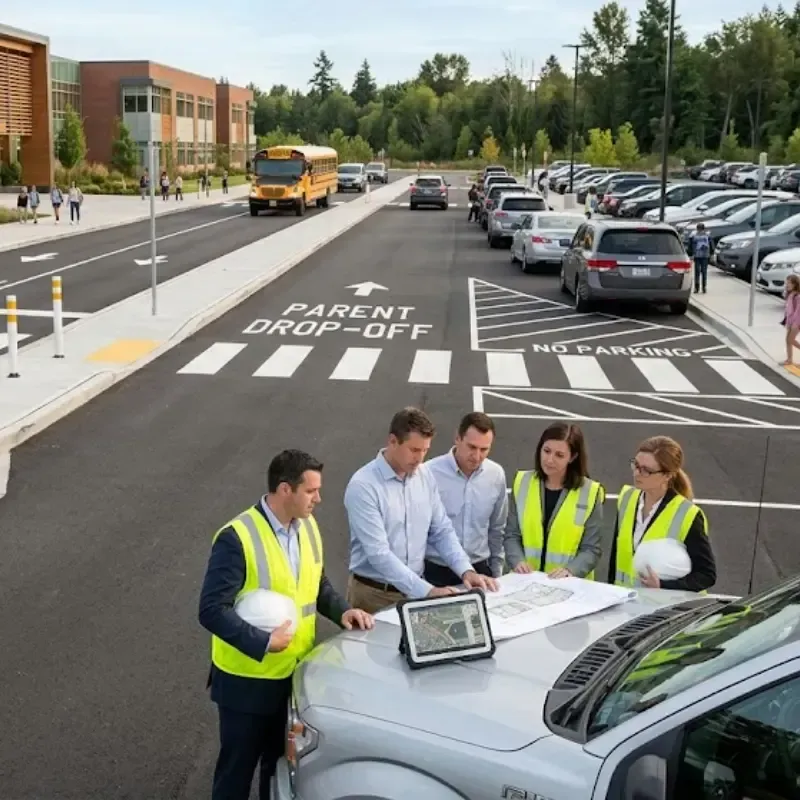
Dedicated parent drive-through lanes help control the pace of traffic. Staff should not have to direct cars manually every day because the physical design is insufficient. The safest lots rely on curbs, medians, and barriers to guide traffic rather than cones and hand signals.
Bus lanes should never intersect with parent traffic, and student walkers must have protected pathways that do not cross the busiest vehicle routes.
The Best Parking Lots Blend Engineering with Real-World Experience
The safest ISD parking lots are built by teams who understand both the engineering principles and the practical, lived experience of how school traffic behaves.
It requires technical knowledge of concrete performance, local climate considerations, soil behavior, and traffic design.It also requires firsthand familiarity with the daily challenges that administrators, teachers, and parents face during high-traffic periods.Safe design is not a matter of guessing what might work. It is the outcome of applying proven, field-tested strategies that reduce conflicts, improve visibility, and ensure the pavement holds up over decades of use.
For projects where safety and durability can’t be left to chance, consulting qualified professionals is the smartest next step. Connect with an expert who can ensure your layout, materials, and long-term performance align with industry best practices.