Common Concrete Slab Failures in Dallas and How to Prevent Them
What Most Buyers Miss:
Most concrete slab failures in Dallas are caused by soil movement, poor preparation, improper curing, and construction shortcuts rather than weak concrete alone. Understanding these predictable failure patterns allows property owners to prevent cracking, settling, and structural damage through proper planning and execution.
What makes most slab failures in Dallas especially frustrating is that they are preventable. According to concrete slab services in Dallas, they follow patterns and happen for specific reasons tied to soil behavior, heat, and construction shortcuts. Knowing these failures before concrete is poured is the difference between a slab that lasts decades and one that becomes a constant source of stress and expense.
Why Dallas Concrete Slabs Fail More Often Than Expected
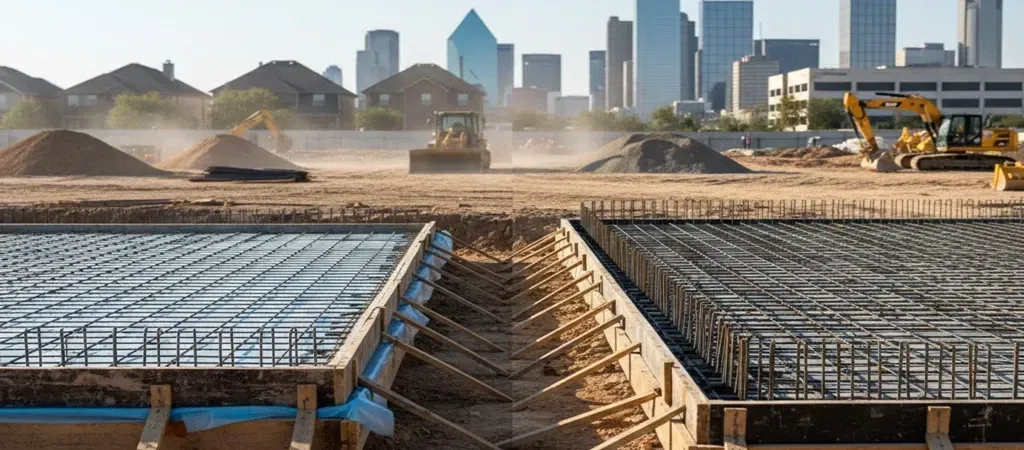
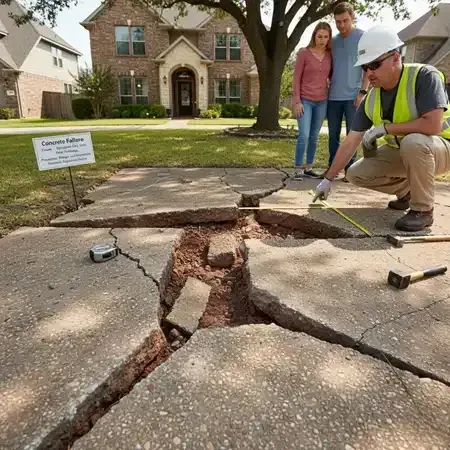
Dallas sits on expansive clay soil, which expands when wet and shrinks during dry periods. This cycle never stops. Based on work throughout Dallas County, slab failures are rarely caused by weak concrete alone. They are caused by slabs being placed on soil that was not prepared to move predictably.
Summer heat compounds the issue. Rapid moisture loss during curing weakens concrete internally, while sudden storms reintroduce moisture into the soil below. When slabs are not designed with this reality in mind, failure becomes a matter of time rather than chance.
Differential Settling and Uneven Slabs
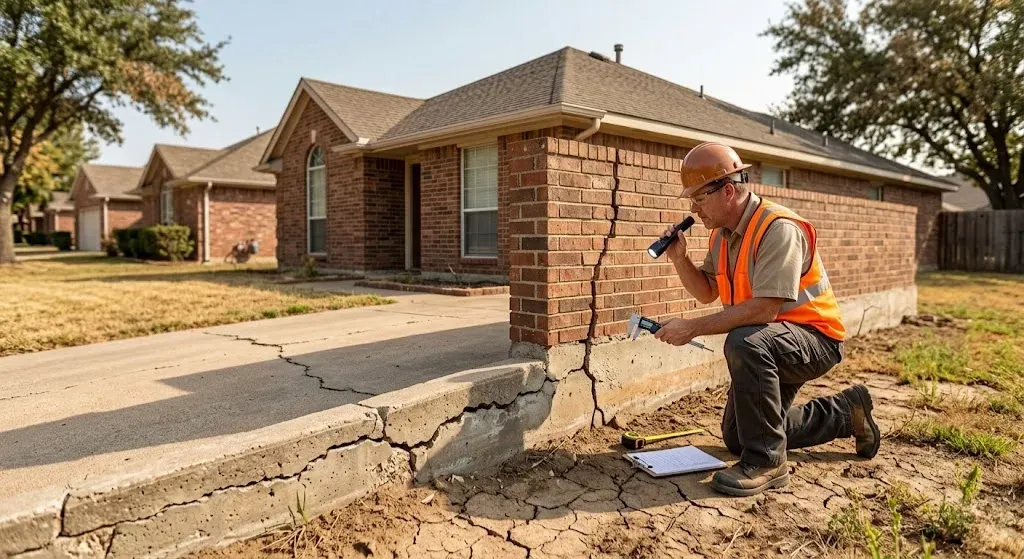
One of the most damaging slab failures our concrete slab experts notice is differential settling. Portions of the slab sink while other areas remain stable. This creates uneven surfaces that strain the slab and anything built on top of it.
This type of failure usually begins below the surface. Poor compaction, inconsistent soil moisture, or organic material left beneath the slab causes some areas to compress more than others. Over time, gravity and movement take over.
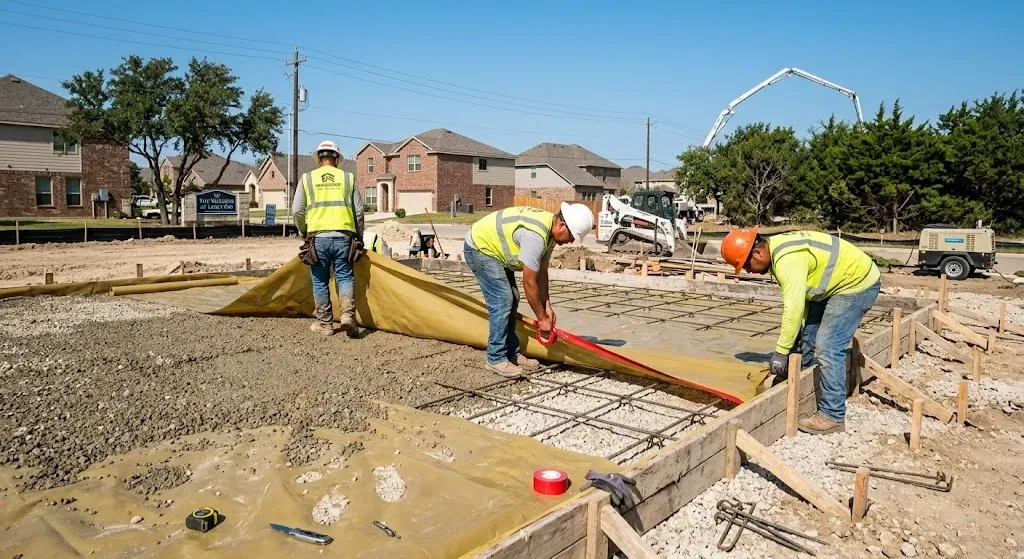
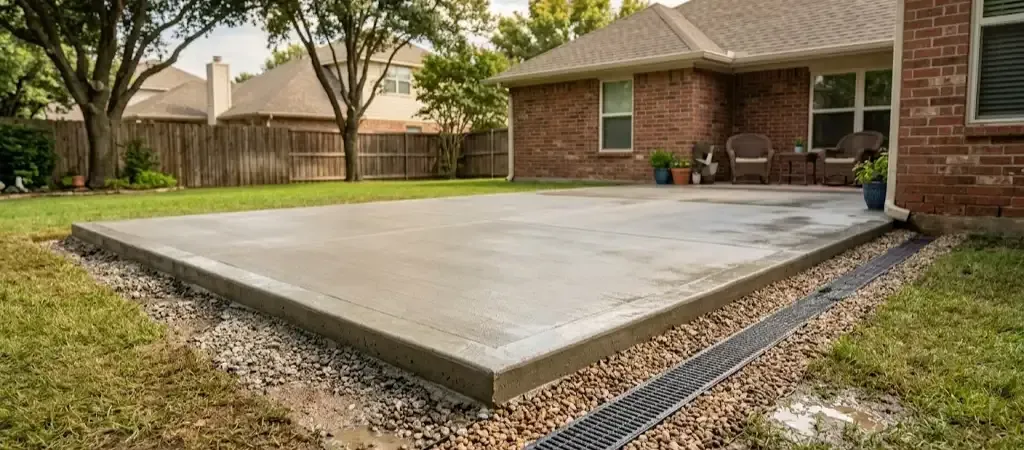
Once a slab settles unevenly, surface repairs do not solve the problem. Cracks continue to form because the soil beneath remains unstable. Preventing this failure requires uniform excavation, thorough compaction, and drainage planning that keeps moisture consistent beneath the slab.
Uncontrolled Cracking Beyond Control Joints
All concrete cracks. The issue in Dallas is not cracking itself, but where and how it happens. When cracks spread randomly across visible areas instead of forming at planned control joints, they weaken the slab and allow water intrusion.
This often happens when joints are spaced too far apart, concrete dries too quickly in hot weather, or curing is rushed. Once moisture enters these cracks, the soil below becomes more active, accelerating movement and widening the damage.
According to the U.S. Federal Highway Administration, proper joint design and curing practices are critical to controlling cracking, ensuring strength development, and supporting the long-term performance of concrete slabs.
Edge Curling and Slab Lift
Edge curling occurs when the edges of a slab rise higher than the center. This creates gaps, uneven transitions, and weak load zones along slab edges.
In Dallas, this failure is commonly tied to moisture imbalance. When the top of the slab dries faster than the bottom, internal stresses pull the edges upward. Thin edges and poor reinforcement placement make the problem worse.
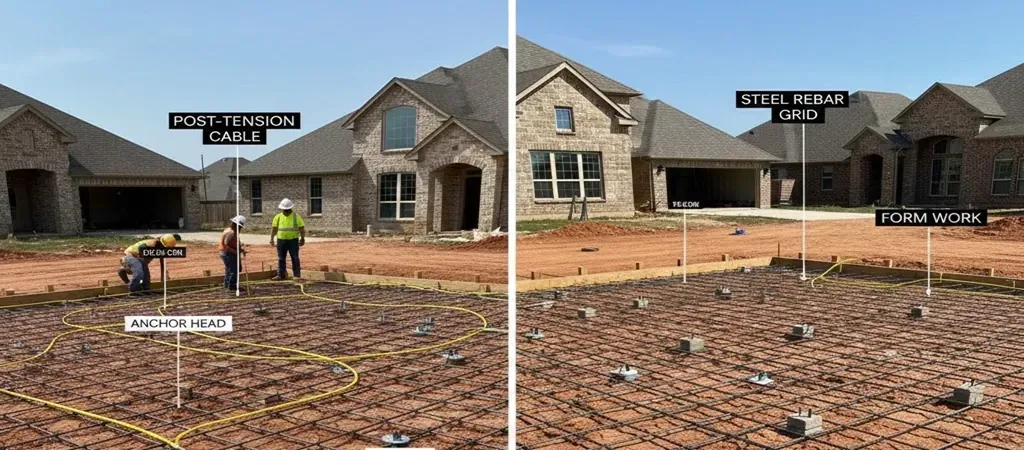
Proper slab thickness, reinforcement near edges, and controlled curing reduce the likelihood of curling. Ignoring these factors leads to slabs that feel solid initially but degrade steadily.
Surface Scaling and Spalling
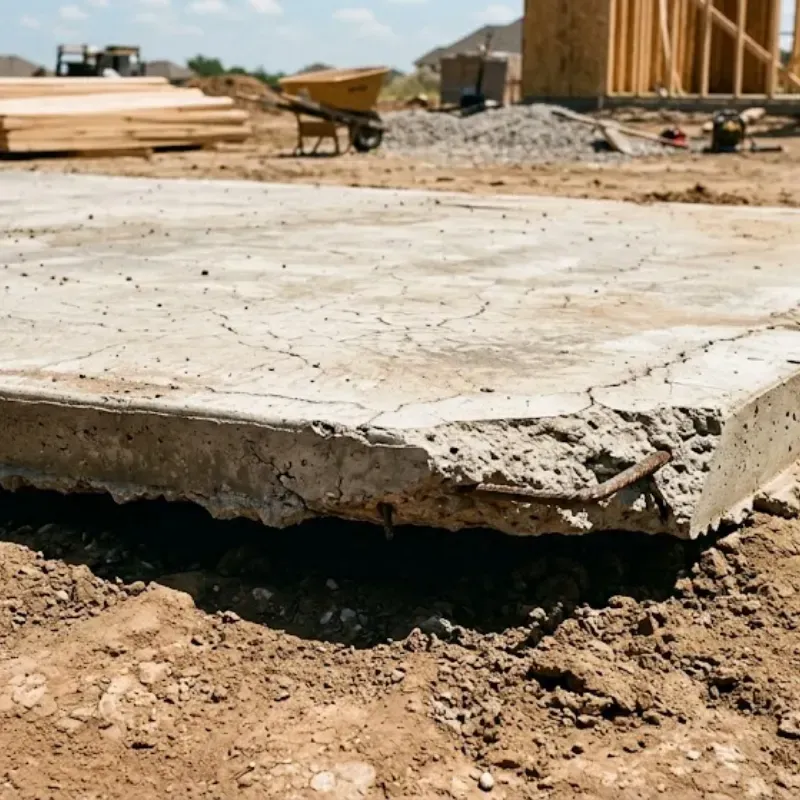
Surface damage often begins as flaking or peeling and progresses into deeper spalling. While Dallas does not experience frequent freeze cycles, moisture combined with sudden cold snaps can still damage weak surfaces.
More often, this failure is caused by finishing errors. Adding water to the surface, finishing too early, or using an incorrect concrete mix weakens the top layer. Over time, traffic and weather expose the damage.
Texas A&M AgriLife Extension explains how soil physical properties, including water dynamics and moisture retention, influence soil behavior in expansive clay regions, providing the context for why moisture variation can impact concrete slab durability.
Load-Related Cracking
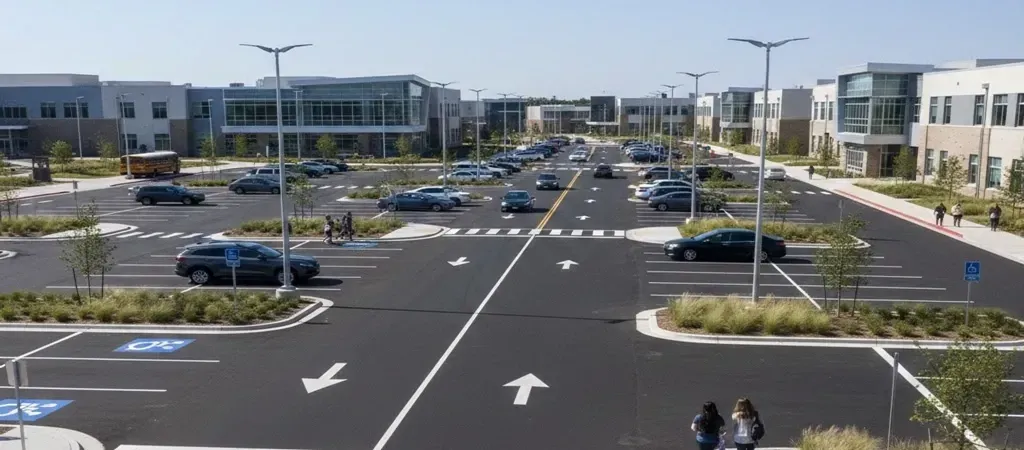
Driveways and commercial slabs frequently fail because they were never designed for the loads placed on them. Vehicles, delivery trucks, and equipment exert forces far greater than foot traffic. Review concrete slab thickness requirements in Dallas for a clearer look at residential and commercial load-bearing standards.
When slabs are poured too thin or reinforcement is placed incorrectly, cracking becomes inevitable. These cracks are structural, not cosmetic, and typically worsen under repeated loading.
The Most Common Construction Mistakes
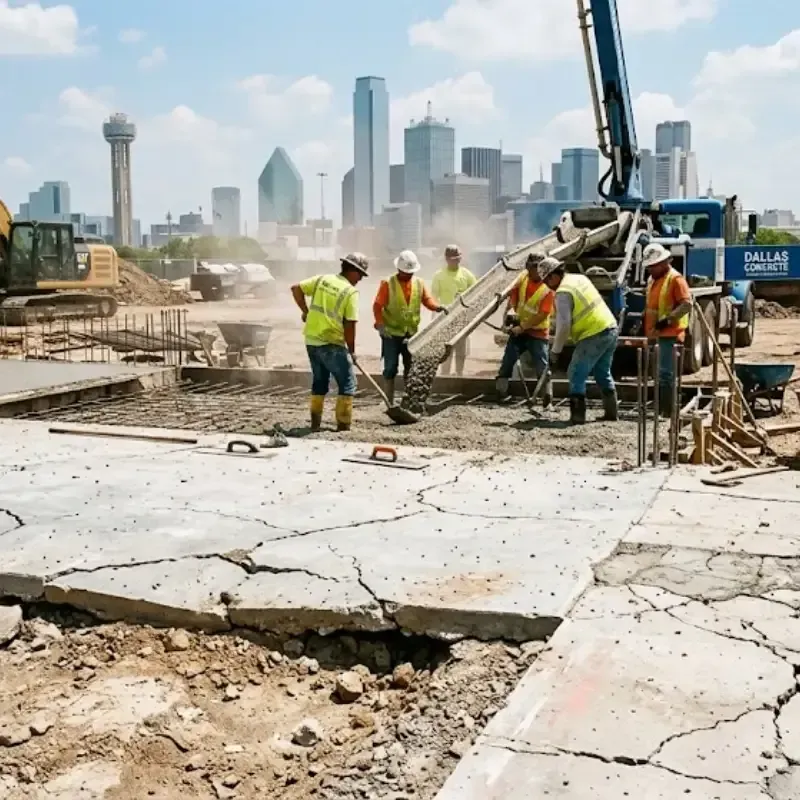
Across Dallas projects, the same mistakes appear repeatedly. Skipping soil evaluation, relying on slab thickness instead of base preparation, and rushing pours during extreme heat all increase failure risk. Another common error is attempting surface fixes without addressing soil movement beneath the slab.
There are tradeoffs. Proper preparation takes time and costs more upfront, but it prevents far greater expenses later.
How Slab Failures Are Prevented in Dallas
Preventing slab failure is not about overbuilding. It is about respecting local conditions. Effective prevention starts with soil preparation, continues through mix selection and reinforcement placement, and ends with curing practices suited for Texas heat.
Also, maintenance is key to preventing slab failure. Learn more about proper concrete maintenance for Dallas homeowners to keep your concrete safe and long-lasting.
Concrete does not fail suddenly when these steps are followed. It performs consistently and predictably, even in challenging environments.
What Dallas Property Owners Should Take Away
Concrete slab failures in Dallas are painful because they feel unexpected. In reality, they follow known patterns tied to soil behavior and construction decisions. Homeowners who understand these risks are better positioned to ask the right questions before concrete is poured.
The smartest next step is not rushing into construction but ensuring the ground beneath the slab is treated as carefully as the concrete itself.