How Retaining Walls Can Protect Your Property and Boost Value
Key Point:
Retaining walls protect properties by preventing soil erosion, stabilizing foundations, improving drainage, and creating usable outdoor space. When properly designed and built, they enhance safety, reduce long-term maintenance costs, and increase overall property value and buyer confidence.
Why do some properties seem to age with dignity while others appear to fight a constant losing battle against their own landscape? Why does one yard stay level and composed, while the neighboring property develops cracks, washouts, and awkward slopes that were never part of the original design? These outcomes are rarely accidental. They are often the result of whether the land was given proper structural support in the first place.
Retaining walls are frequently treated as optional enhancements, yet they perform essential work that most properties rely on without ever acknowledging. Overlooking their role is less a design choice and more a calculated risk. When properly built by retaining wall installation services in Dallas, retaining walls quietly protect soil stability, manage water flow, and preserve the very ground a property stands on.
Preventing Soil Erosion and Land Loss
One of the most critical functions of a retaining wall is erosion control. Properties with slopes or uneven terrain are especially vulnerable to soil displacement during heavy rainfall. Without reinforcement, water naturally pulls soil downhill, gradually stripping away land that homeowners assume will always be there.
This process often goes unnoticed until visible damage appears.
According to our retaining wall team, retaining walls interrupt erosion by holding soil in place and slowing water movement. By stabilizing slopes, they protect the original grading of the property and prevent gradual land loss that can undermine nearby structures and landscaping.
Protecting Foundations and Structural Integrity
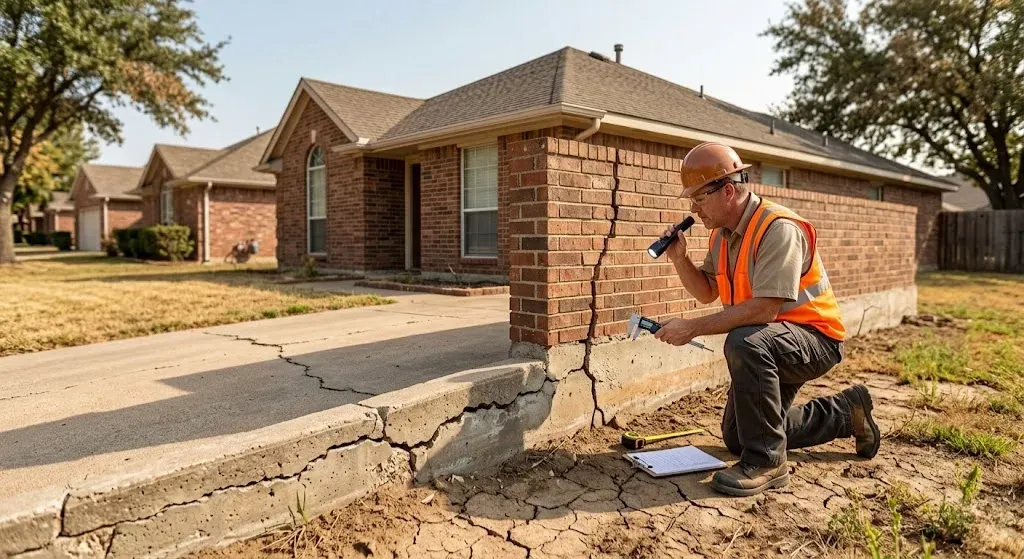
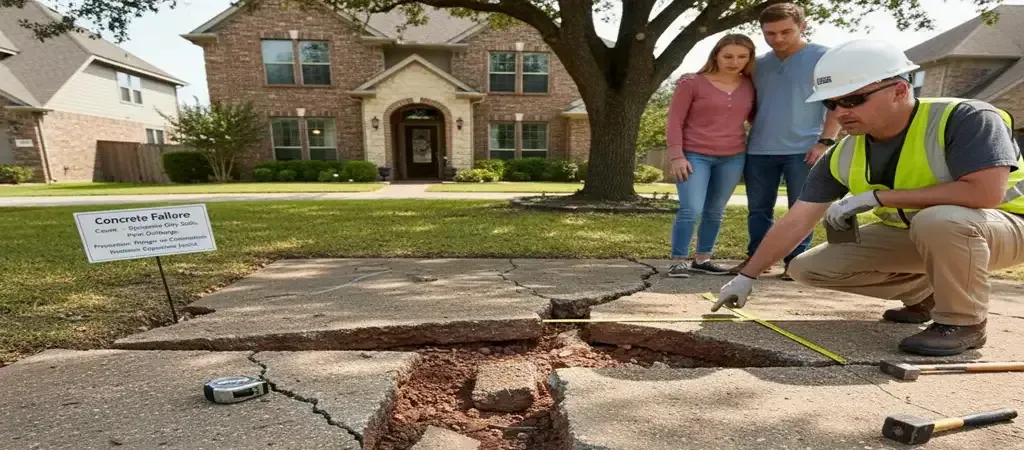
Foundation damage is among the most costly problems a property can face. When soil shifts or erodes near a structure, it creates uneven pressure against foundations, leading to cracks, settling, and drainage issues. These problems rarely resolve themselves and often worsen over time.
Retaining walls help relieve soil pressure and direct water away from structural elements. When paired with proper drainage systems, they reduce hydrostatic pressure that builds up during storms. This protection directly impacts the long-term health of foundations, driveways, and retaining structures themselves.
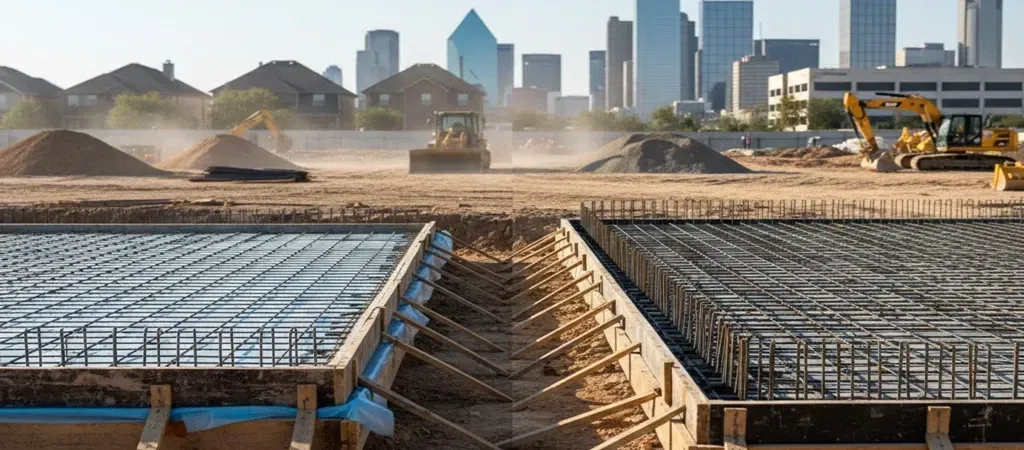
The strength and longevity of a concrete wall depend on the materials and techniques used. Learn about the different qualities of concrete and how they impact wall performance and durability.
Improving Drainage and Water Control
Effective water management is where retaining walls prove their value beyond doubt. Heavy rainfall can overwhelm landscapes that lack proper grading and soil containment. Retaining walls, when designed correctly, create controlled pathways for water to move away from vulnerable areas.
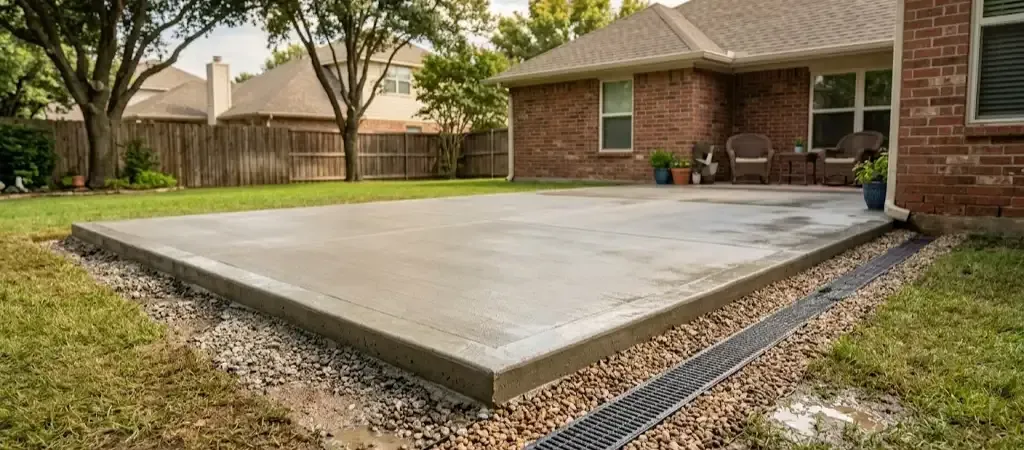
Drainage components such as gravel backfill and perforated pipes help prevent water from becoming trapped behind walls. This reduces saturation, soil expansion, and pressure buildup. Properties with proper drainage systems remain functional and visually intact even after significant weather events.
Expanding Usable Outdoor Space
Uneven terrain limits how a property can be used. Sloped yards often become dead zones that are difficult to maintain and impractical for everyday use. Retaining walls convert these problem areas into level, usable spaces.
Terraced lawns, patios, walkways, and garden beds become possible once the land is stabilized. This transformation increases the functional square footage of the property. From a usability standpoint, retaining walls allow homeowners to reclaim space that would otherwise remain unused.

Creating Visual Structure and Landscape Balance
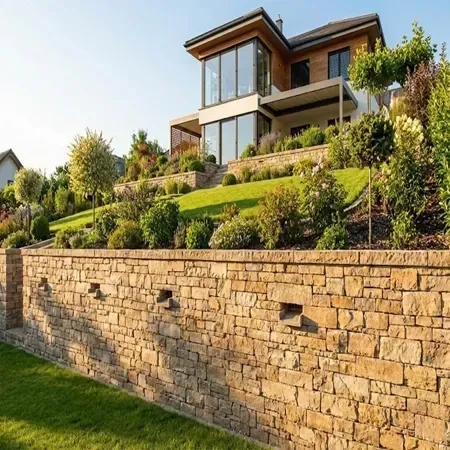
Well-designed retaining walls introduce order and clarity to outdoor spaces. Defined elevations, clean transitions, and intentional layout give landscapes a finished appearance. Properties without this structure often look incomplete, even when well landscaped.
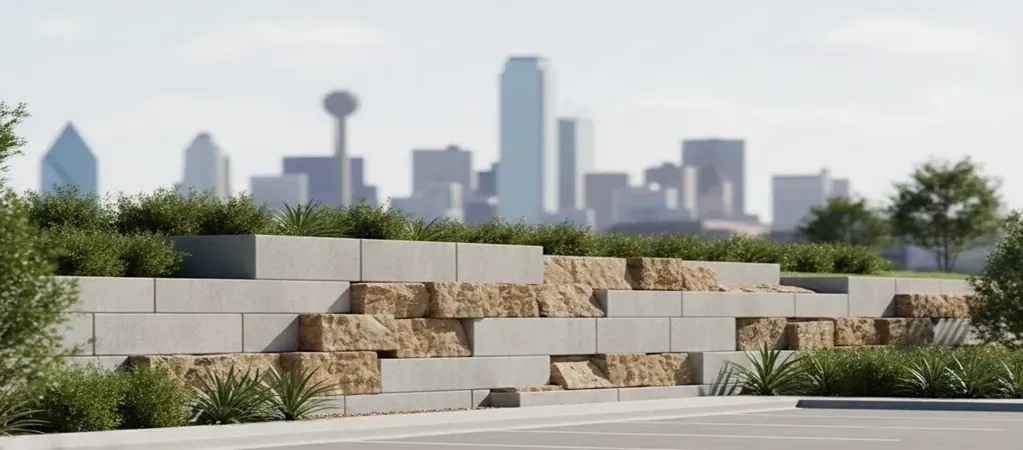
Materials such as concrete, stone, or segmental blocks can be selected to complement the home’s architectural style. The result is a cohesive environment where form follows function. This sense of permanence and planning plays a subtle but important role in how a property is perceived.
Supporting Property Value and Buyer Confidence
Retaining walls contribute to property value in ways that are often indirect but significant. Stabilized land, effective drainage, and usable outdoor areas increase buyer confidence during inspections. They signal that the property has been thoughtfully developed rather than patched together over time.
Homes with visible erosion, drainage issues, or sloped yards without support tend to raise concerns. Retaining walls eliminate many of these red flags. While they may not always be listed as a selling feature, they often influence purchasing decisions more than surface-level upgrades.
Long-Term Cost Savings Through Prevention
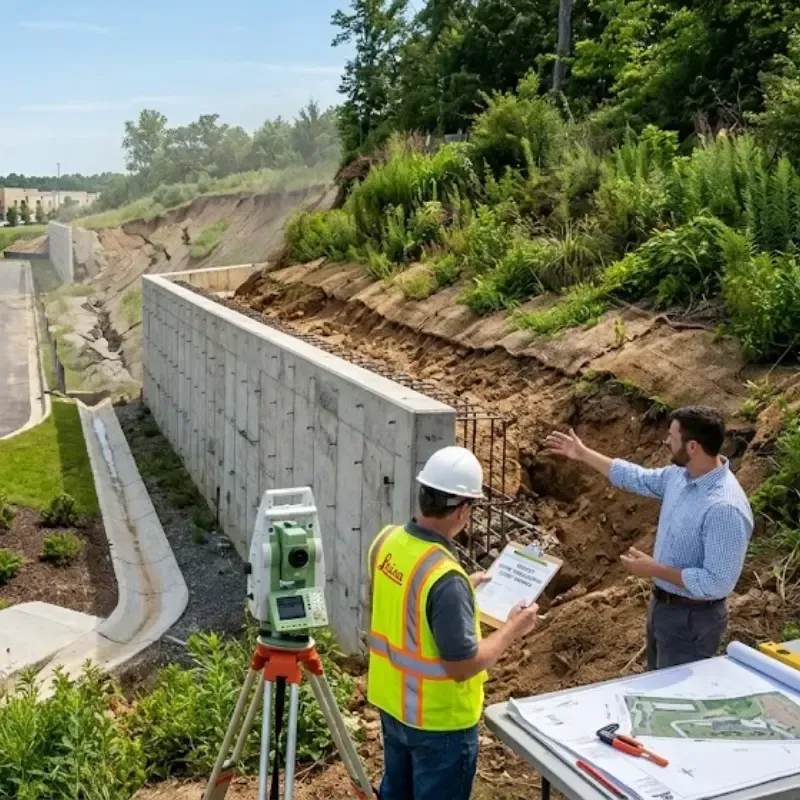
Although retaining walls require upfront investment, their long-term financial impact is frequently underestimated. Preventing erosion, foundation issues, and drainage failures saves property owners from recurring repair costs that can exceed the original installation expense.
Soil replacement, landscape repairs, and structural remediation add up quickly when land is left unsupported. A properly engineered retaining wall addresses these risks at their source, making prevention far more cost-effective than repeated repairs.
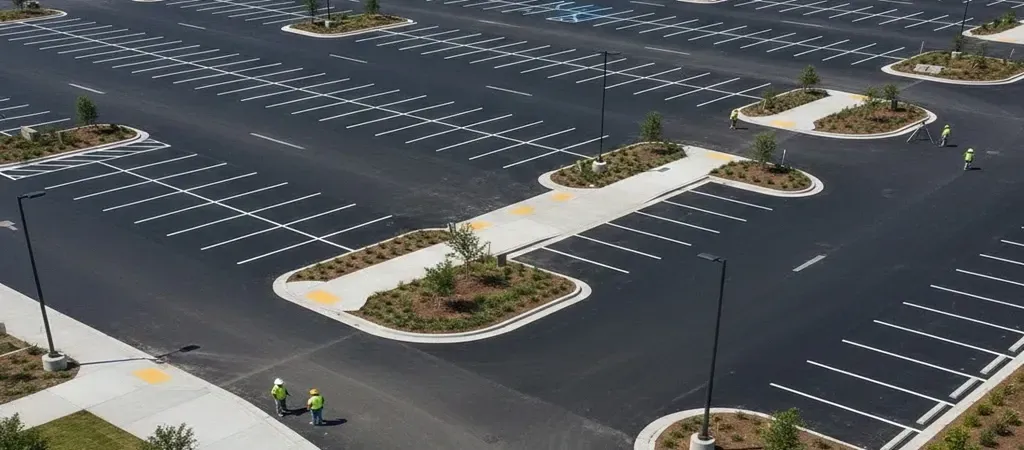
Keeping a commercial concrete project on track financially requires foresight and planning. Review Dallas concrete budgeting strategies to manage costs and avoid budget surprises.
Improving Safety Around the Property
Unstable slopes and eroding soil pose safety risks, especially in areas used frequently by families, pets, or guests. Loose ground and sudden elevation changes increase the likelihood of slips, falls, and injuries.
Retaining walls establish clear boundaries and stable walking surfaces. By securing soil and defining elevation changes, they improve overall site safety and reduce hazards associated with uneven terrain.
Final Thoughts
Retaining walls are among the most practical structural investments a property owner can make. They protect land, support foundations, manage water, and expand usable space. These benefits are not abstract concepts. They translate directly into lower maintenance costs, fewer structural issues, and stronger market appeal.
A retaining wall designed to suit the land does far more than enhance appearance. It reinforces the long-term stability and value of the property itself. Over time, that protection proves to be one of the smartest decisions a property owner can make.